
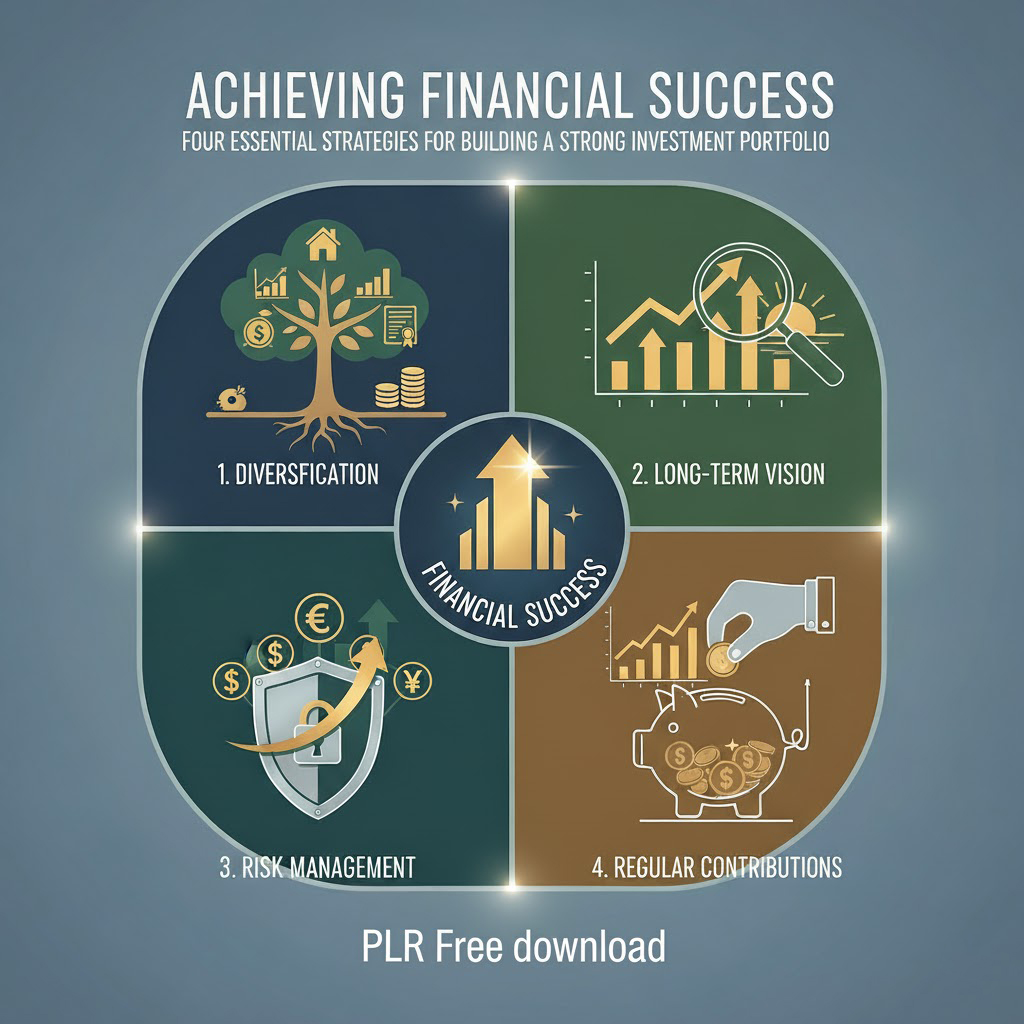

Navigating the complex world of personal finance—from deciding between various asset classes like stocks, bonds, and mutual funds—can feel overwhelming. However, a successful investment journey starts with a clear strategy. To transform the financial maze into a clear pathway, here are four foundational steps to help you construct a profitable and robust financial portfolio.
1. Establish Clear Financial Objectives
Before making any investment decision, you must define why you are investing. What specific goals are you aiming for? Whether it’s funding a college education for your children, securing a comfortable retirement years from now, or saving for a major life purchase, setting tangible targets is crucial. Once your vision is clear, create a detailed, concrete plan that outlines the steps and resources needed to meet these milestones. A goal without a plan is just a wish.
2. Determine Your Investment Timeline
The duration you plan to hold your investments—your time horizon—will significantly influence your strategy. If you are decades away from needing the money, your long-term focus allows you to incorporate growth-oriented assets that may experience greater volatility but offer higher potential returns. Conversely, if a major financial event like retirement is just around the corner, shifting towards more conservative, capital-preserving options is generally a safer approach to protect the capital you’ve already accumulated.
3. Evaluate Your Comfort with Risk
Understanding your personal risk tolerance is fundamental. How much fluctuation in value are you psychologically prepared to handle, and, equally important, how much risk can you financially afford to take? In general, investors with a longer time horizon can afford to take on more aggressive risks since they have more time to recover from inevitable market downturns. Always align your investment selections with your comfort level to prevent making impulsive decisions based on short-term fear or greed.
4. Seek Expert Financial Counsel
The world of finance is constantly evolving, and even basic investment concepts can baffle many individuals. To safeguard your financial future and avoid common, potentially costly mistakes, it is often prudent to consult with a qualified financial advisor. A professional can help you analyze your unique circumstances, integrate your goals with your risk profile, and ensure your portfolio is strategically structured for long-term success. Their guidance can provide peace of mind and help you stay on track.