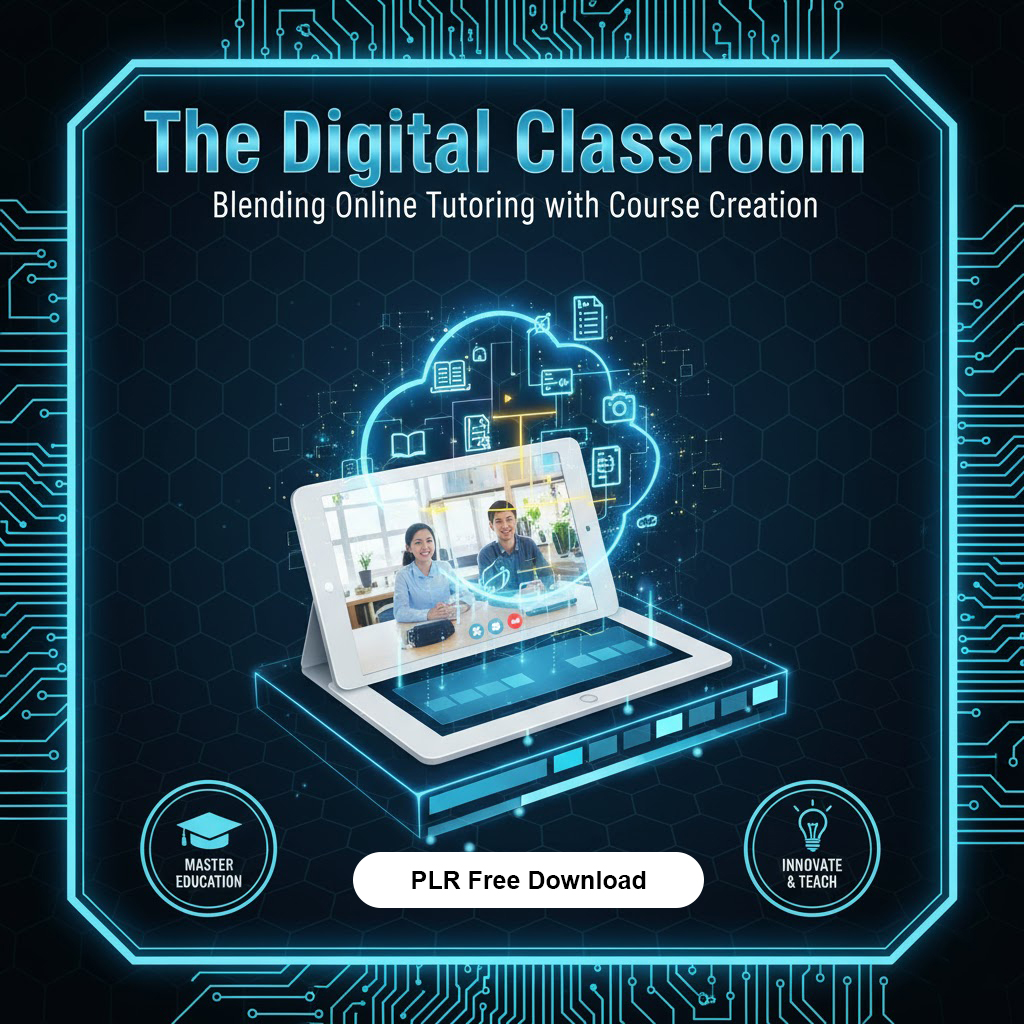

The educational landscape has undergone a dramatic transformation, moving swiftly from traditional classrooms to dynamic digital environments. At the forefront of this revolution are online tutoring and course creation, two interconnected avenues that are democratizing knowledge and offering unprecedented flexibility for both educators and learners. This shift is not merely a temporary fix, but a fundamental change in how expertise is shared, skills are acquired, and education is accessed across the globe.
The Rise of Online Tutoring: Personalized and Accessible Learning
Online tutoring has become a powerful tool, providing targeted, one-on-one, or small-group instruction that often surpasses the limitations of conventional settings. Its success lies in the core benefits it offers:
- Flexibility and Convenience: Students and tutors can connect from any location with an internet connection, eliminating the time and cost associated with travel. This convenience allows for scheduling sessions that fit into busy lives, accommodating different time zones and commitments.
- Personalized Instruction: Unlike a large classroom, online tutoring enables a tutor to tailor the content, pace, and methodology precisely to the individual student’s learning style, strengths, and weaknesses. This customized approach leads to a deeper understanding of concepts and significantly improved academic performance.
- Access to Expert Tutors: Geographical boundaries no longer restrict the search for the best educator. Students gain access to a vast network of highly qualified and specialized tutors worldwide, ensuring they receive instruction from an expert in their specific area of need.
- Interactive and Engaging Tools: Modern online tutoring platforms are equipped with features like interactive whiteboards, screen sharing, real-time annotation, and digital resources, turning lessons into engaging and dynamic experiences. This digital-native environment often helps boost student confidence and independence.
- Cost-Effectiveness: By reducing overheads like travel and facility costs, online tutoring can often be a more affordable option than traditional private instruction, making high-quality support accessible to a wider demographic.
Online tutoring essentially creates a safe, comfortable, and highly effective learning space, empowering students to overcome academic hurdles and develop essential digital literacy skills for the future.
Course Creation: Scaling Your Expertise
While tutoring focuses on live, synchronous, and personalized instruction, online course creation offers a route to package, scale, and disseminate knowledge to a mass audience asynchronously. This medium allows educators, subject matter experts, and professionals to build a valuable, long-term asset.
Key Steps to a Successful Online Course
Creating a successful online course involves a strategic, multi-step process that moves from ideation to launch and optimization:
- Choose a Profitable and Passionate Topic: The foundation of any great course is a topic that sits at the intersection of your expertise/passion and market demand. Research what people are actively searching for and what problems they are willing to pay to solve. Validate your idea through surveys, polls, or a free mini-course.
- Define Clear Learning Outcomes: Before outlining the content, determine what your learners will be able to know and do by the end of the course. These specific, measurable outcomes become the backbone of your curriculum and the key selling points for potential students.
- Structure and Outline the Content: Break down the core topic into logical, digestible modules and lessons. A well-structured curriculum ensures a smooth learning journey and prevents students from feeling overwhelmed. Incorporate quizzes and assignments to reinforce learning.
- Develop Engaging Content: The delivery method is crucial for engagement. Most successful courses use a blend of formats:
- High-Quality Video Lectures: Invest in good audio and lighting. Keep videos concise and focused.
- Supplemental Materials: Create valuable materials like workbooks, checklists, templates, and downloadable resources.
- Interactive Elements: Include quizzes, polls, discussion boards, and practical exercises to encourage active participation.
- Select the Right Platform: Choosing an appropriate Learning Management System (LMS) or course platform (e.g., Teachable, Thinkific, Kajabi) is vital. The platform will host your content, manage payments, and provide essential tools for student tracking and engagement.
- Set Pricing and Launch: Research competitor pricing and consider your course’s value proposition. Launch with a strong marketing strategy that clearly communicates the transformation your course offers. A comprehensive sales funnel, including email marketing and social media promotion, is key.
The Course Creator’s Advantage
The major advantage of course creation is scalability. You build the content once, and it can generate passive revenue indefinitely. This allows the expert to impact hundreds or even thousands of students without the continuous time investment required by one-on-one tutoring. Furthermore, an online course serves as a powerful lead magnet or credential, establishing the creator as an authority in their field.
The Synergy of Tutoring and Course Creation
The future of digital education is likely a hybrid model that capitalizes on the strengths of both course creation and online tutoring.
- Course as Foundation, Tutoring for Depth: A course creator can use their comprehensive course as the main delivery mechanism for core content. They can then offer premium one-on-one coaching or group Q&A sessions (tutoring) as an upsell, providing personalized support, feedback, and accountability that maximizes student completion and success rates.
- Content Validation: Tutors can use the challenges and common questions they encounter in live sessions to identify gaps in their existing courses or to inspire the creation of new, in-demand course modules.
- Building a Community: Platforms often allow for the creation of private communities where course students can interact, ask questions, and support each other. This communal aspect, facilitated by the course creator or a dedicated tutor, is a huge driver of engagement and loyalty.
By combining the reach and automation of a course with the personalization and feedback loop of live tutoring, educators can build a diversified, resilient, and highly profitable digital education business. The ultimate goal remains the same: to deliver high-quality, impactful learning experiences that are accessible to all, paving the way for a truly global classroom.